Delhi
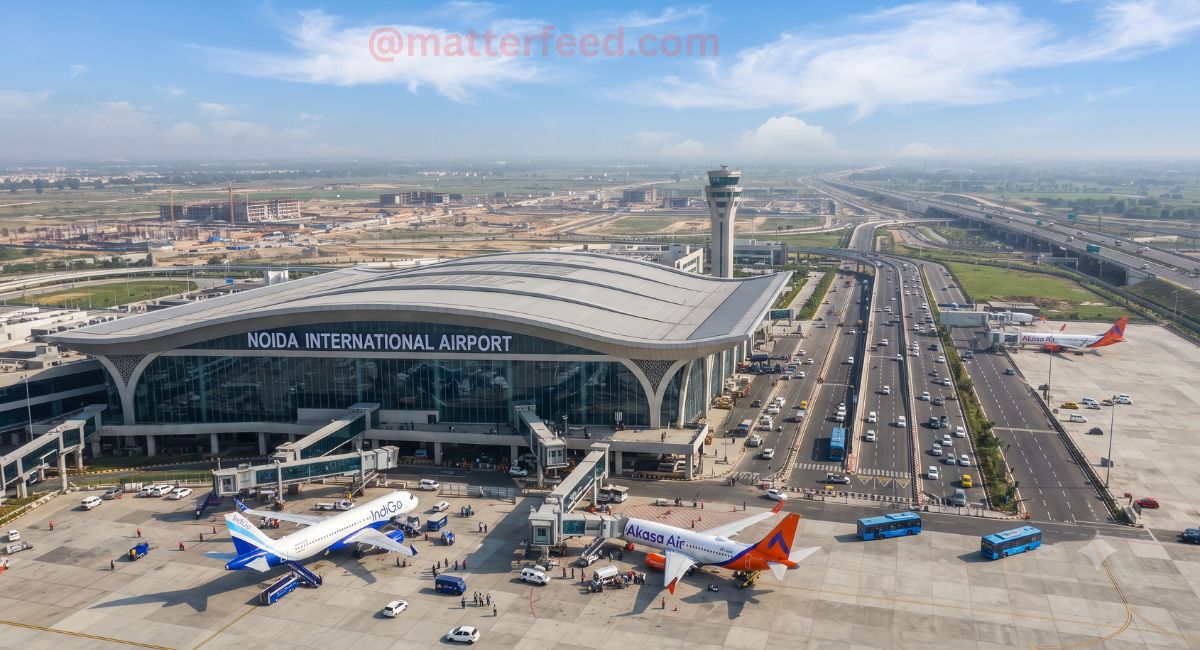
Noida Airport turns one month old, is it still flying half-empty or there is something else?
Published on: July 16, 2026
Noida Airport Turns One Month Old: Is It Still Flying Half-Empty?
The inauguration of the Noida International Airport (NIA), popularly known as Jewa...
Noida Airport: One Month In—The Reality Check
The inauguration of the Noida International Airport (NIA) marked a major milestone for India's aviation, aiming to ease pressure on Delhi’s IGIA. Exactly one month into operations, however, the airport faces a key question: Is it flying half-empty?
The First 30 Days: Passenger Footfall Analysis
Early operations show a mix of success and commercial hurdles.
• Load Factors: Flights are seeing 45%–55% occupancy, compared to over 80% at Delhi’s IGIA.
• High-Demand Routes: Major city routes like Mumbai and Bengaluru have reached ~65% occupancy.
• Gestation Period: Experts note that a sub-60% load factor is normal for new greenfield airports as passengers adjust to new travel habits.
Barriers to Early Growth
Several factors currently limit traffic at the new hub:
• Connectivity: The lack of direct Metro or high-speed rail means reliance on road transport. High tolls and taxi fares from Delhi or Gurgaon also deter budget travelers.
• Low Frequencies: With limited daily flights, travelers often prefer Delhi’s hourly departures for better flexibility.
• Habitual Preference: Travelers from the NCR region are deeply accustomed to using Delhi’s established airport infrastructure.
Strategy for Success
To bridge the gap with Delhi, stakeholders are taking action:
• Competitive Pricing: Some airlines are pricing Noida-originating flights 10%–15% lower than those from Delhi.
• Improved Transit: The state has introduced AC shuttle buses from key points in Noida, Ghaziabad, and East Delhi to improve accessibility.
• Incentives: Management is offering landing and parking fee discounts to entice airlines to increase flight frequencies.
Conclusion: A Long-Term Play
Characterizing Noida Airport as "failing" is premature. Like most mega-infrastructure projects, it is a long-term play. As connectivity improves via future rail projects and international routes commence, passenger volume is expected to rise, solidifying its role as a vital hub for the region.